23 November 2026 · 4 min read
What can you see at the Omiya Bonsai Art Museum in Saitama?
Plan a visit to Saitama's bonsai museum and the village around it, from the tatami gallery and seasonal garden to the six nursery gardens.

The Omiya Bonsai Art Museum in Saitama presents itself as the world's first public museum entirely devoted to bonsai art. It sits in Kita Ward of Saitama city, about 30 km north of Tokyo, and displays more than 120 miniature trees. It also stands at the entrance to the Omiya Bonsai Village, where six working gardens still welcome visitors.
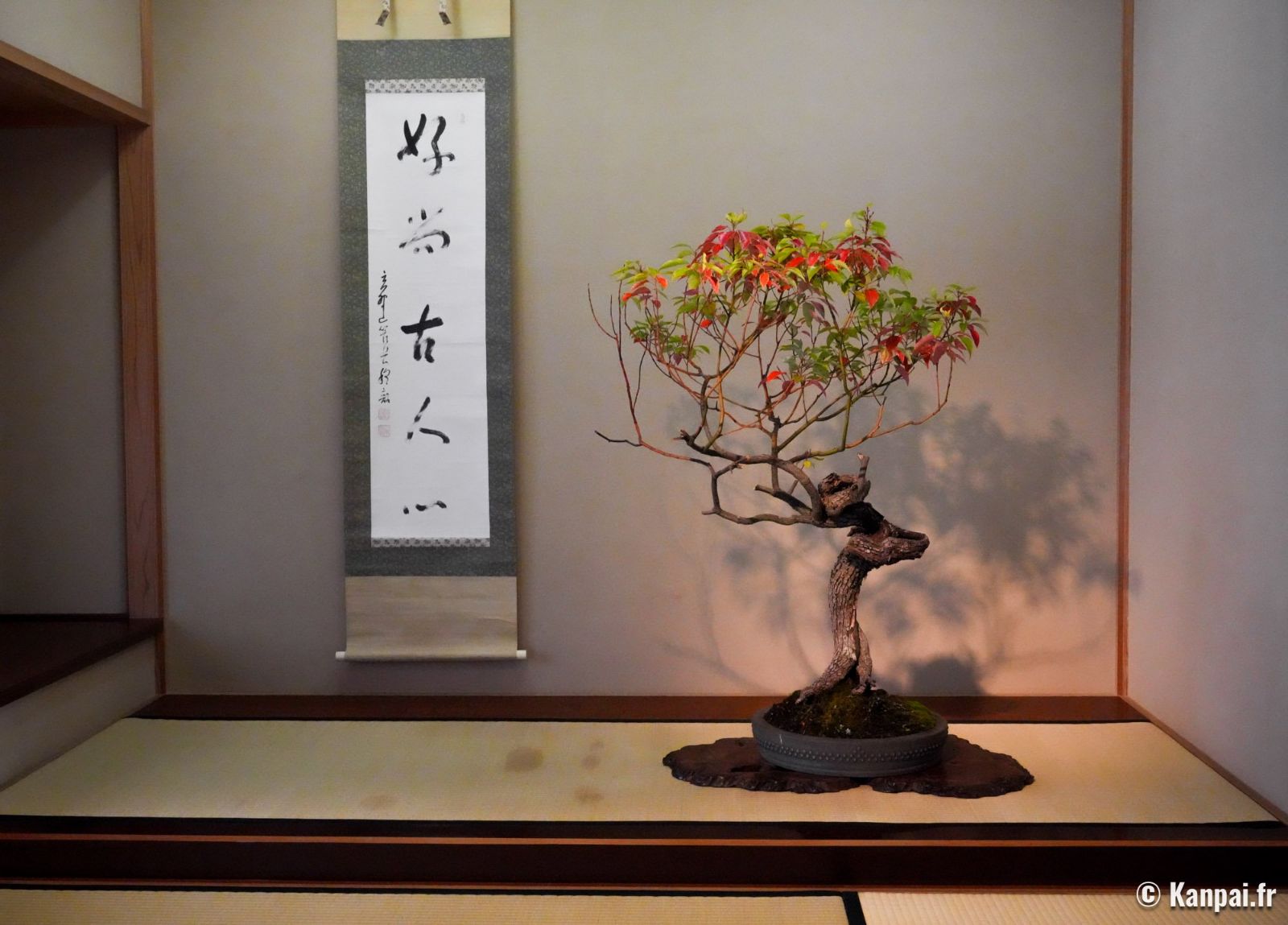
- The museum opened in 2010 at the initiative of the city of Saitama.
- Its collection comes largely from the former Takagi Bonsai Museum, which closed in 2008.
- An outdoor garden of 60 plants around a pond is rotated seasonally.
- Six bonsai gardens in the village are free to visit, though photography is prohibited.
Why did Saitama build a bonsai museum?
The city of Saitama opened the museum in 2010 to promote bonsai culture in Japan and internationally. Much of the collection traces back to one private enthusiast. It is largely made up of the holdings of the former Takagi Bonsai Museum, created by Reiji Takagi (1927–2007) and closed in 2008.
The museum's reach extends well beyond Japan. It is twinned with several arboretums in the United States and Australia.
The building stands at the entrance of the Bonsai Village, in a quiet residential area north of Omiya ward. The district has carried the official name Bonsai-cho since 1957. The museum was fully renovated for the village's centenary.
What is on display inside the museum?
The indoor gallery shows each plant individually in a traditional tatami-room setting reminiscent of a tea pavilion.† Because every tree has its own space, you study one specimen at a time. It is worth slowing down here and taking each display on its own terms.
The museum also hosts temporary exhibitions on bonsai-related themes. These include historic pots, known as bonki, and viewing stones, called suiseki. Ukiyo-e prints and archival documents feature as well. If you have a particular interest in containers or stones, check what is on before you travel, as the programme changes.
The outdoor garden is arranged as a single scene
Outside, 60 plants stand around an artificial pond. They are rotated seasonally, so the trees on show depend on when you come. The plants are arranged to form a complete landscape that can be viewed from several angles.
Walking the full circuit of the pond lets you see how the composition shifts from one position to the next. The museum's first floor has a small terrace with a clear view of the garden.† From there you can take in the whole arrangement at once before going back down to look at individual trees.
How did the Bonsai Village begin?
The village began forming around 1925. Bonsai nurserymen from central Tokyo relocated to Omiya after the 1923 Great Kanto earthquake and settled together in the area.
The early community agreed on a set of rules. Members had to own at least 10 exceptional bonsai and build only low houses. Plots could be marked with plant hedges alone, and each member had to open their garden to the public.
The village later gained an international profile. It hosted the World Bonsai Convention, including the first in 1989 and the eighth in 2017. Its nurserymen also lent trees to the Osaka World Expos of 1970 and 2025.
Can you visit the village's nursery gardens?
Yes. Six bonsai gardens remain active in the village, established between 1925 and 1977. They are free to visit, a direct continuation of the old rule that gardens be open to the public.
Photography is prohibited in these gardens. If you want a record of particular trees or species, bring a notebook and keep a short journal as you go. Sketches or written notes on shape and pot style will help you recall what you saw.
The museum and the village regularly hold workshops introducing bonsai creation. They are run in Japanese, so visitors without the language may want to arrange help with interpretation before booking.
Planning a day in Omiya
The museum and the village are open year-round. Because the outdoor display is rotated seasonally, a second visit in a different season will show you a different selection of trees. A seasonal calendar of your trips can help you compare how the garden changes.
A sensible routine is to start at the museum, where the indoor gallery and temporary exhibitions give you context. You can then walk on into the village and visit the working gardens with that background in mind.
What else is nearby?
The museum combines well with two nearby sites. Musashi Hikawa Shrine is one of Japan's oldest Shinto sites, and the Railway Museum in Saitama is also close by, so a single trip from Tokyo can cover bonsai, a historic shrine and railway history in one day.
Sources
This article was written from the reporting below. Claims marked † are not confirmed by two independent outlets.
Generated with sources · reviewed by a human: yes · Approved by mariofilk, 28 Oct 2026 · Sourcing policy